Be yourself; Everyone else is already taken.
— Oscar Wilde.
This is the first post on my new blog. I’m just getting this new blog going, so stay tuned for more. Subscribe below to get notified when I post new updates.
Be yourself; Everyone else is already taken.
— Oscar Wilde.
This is the first post on my new blog. I’m just getting this new blog going, so stay tuned for more. Subscribe below to get notified when I post new updates.
By: Zachary Branco 8-8-19 1pm
Let me start off by saying, congratulations and thank you to everyone who played a role in this online course. Reading and learning many topics have really expanded my knowledge on different aspects of health. My favorite part was reading and actually understanding others thoughts and inputs on what they read. These last 3 chapters flew by, as I completed them early rather than later only because I am traveling back home the 9th and needed to make sure everything was done.
In chapter 13, “Violence and Unintentional Injuries”, there were a few aspects that were brought to my attention and I analyzed to the best of my ability to get the most accurate representation and meaning. The thing was that the overall crime rate in the US has dropped since the 1990’s. For me, this was quite a shock to read and to understand. The reason for that being is because every time I look at the news whether it is an online media source, television, or even the newspaper it is always negative and involves some type of malicious act leading to violence. For example, there were 2 recent tragedies that occurred in El Paso, Texas and Dayton, Ohio that were mass shooting which resulted in multiple innocent deaths. Now I was born in 1999, so I obviously don’t know exactly how good or bad it was during that time period because I was a baby but I do know that there has been a lot of these mass shootings in recent years. Some that many may remember was the Batman Movie Premiere shooting in Colorado, Sandy Hook in Connecticut which was right before Christmas, the Orlando mall shooting, and many more. There was a stat that I read a few days ago from a news source on Twitter that said there has been more mass shootings in the US during 2019, than days of the year. Which mathematically means, there are more than 1 mass shootings in the US per day. That is a very frightful statistic.
There are so many factors that contribute into violence and injuries such as financial stability, cultural beliefs, political views, substance abuse, stress, anger, racism, and more. But one factor that I believe to be the most influential is environment you live or surround yourself in. If you are living in a low-income city you are more likely to experience some sort of violence whether it is homicide, domestic violence, child abuse or some sort of sexual victimization. That doesn’t mean these events don’t happen in high class neighborhoods or areas, but they percentage is more likely to happen in an area that isn’t economically great and has a larger population. Like the crime rate of a town like Bridgewater is going to be significantly lower compared to a big city like Boston or Chicago. Reason for this isn’t just the size of the population but also the age and cultural demographics. These are things to take into account, I don’t think there would be a close number of robberies or other violent acts in a town with farms and local shops.
There are ways of limiting crime in areas by focusing on a few things. A major key is by keeping kids involved in sports or some sort of extracurricular activity. For example, on Netflix there is a show called “Coach Snoop” and famous actor and artist Snoop Dogg helps keep young teens off the streets of Compton, California. He takes these kids who were raised in a negative environment and takes them on the football field to get them away from all the negativities. It is actually a really good and touching show. For some of you sport fans, the wide receiver for the Cincinnati Bengals, John Ross, was a member of the Coach Snoop football program before he was in college. Another way of limiting crime is by hosting positive events for the community. In the latest Barbershop movie, Ice Cube is devastated with how crime has taken over the city and is effecting the youth. To prevent crime, the shop provides free haircuts to everyone for 3 days trying to keep the community together as one. So events like that can be very beneficial.
Speaking of the environment, chapter 14 “Environmental Health”, is all about it. The only difference is the way the environment can cause health risks and factors. This chapter focuses more on the actual environment and how it can effect you. A serious environmental issue that we have today is overpopulation. By having an enormous amount of people living on the planet there are many things we have to watch out for such as food supply, water supply, energy consumption, and disposing of wastes. With more people that means more food must be grown and at faster rates. The only way to harvest crops and food at rates to feed everyone is by using chemicals and GMO’s (genetically modified organism). And of course we know that chemically grown and processed foods are less expensive than all natural and organic foods which also take a toll on a person’s health lifestyle. Also with we have to worry about disposing wastes. Everyone should try to install or apply the reduce, reuse, and recycle method to their lives. It is very helpful for our environment and every person helps.
Another factor is energy consumption, and this can be viewed in a number of ways. People using phones, batteries, electricity, and the usage of cars and transportation. There are millions and millions of cars around the world that are polluting the air. Not everyone can afford a new eco-friendly car, so the amount of chemicals that go into the air are very hazardous to the environment. Hazardous forms and chemicals from air pollution are carbon monoxide, nitrogen dioxide, ground level ozone, and other dangerous chemical effects.
Smoking any type of tobacco product can also be very dangerous not just to yourself but also the air quality. Other forms of indoor air pollution are furnace emissions, radon, lead, mold, and asbestos, which are extremely dangerous and all home owners should make sure their house doesn’t have any trace or sign of asbestos. Pollution is a very serious concern and is destroying the Earth’s ozone layer. And has lead to a probable cause and debate of global warming and the change in the Earth’s climate. We are witnessing signs before our very eyes with the snow caps currently melting. There was a study done not long ago that predicted the city of Boston and other costal areas may go underwater with the sea levels continuing to rise every year.
In chapter 15, “Integrative Health and Health Care Options”, I learned many valuable things about health insurances and other forms of medical care. My frustrations with health insurance prior to this class were very high for personal reasons and they still are high but now I have a better understanding of the whole process.
In the beginning of the chapter, the book focused a lot on the term of “Self-Care”, which is basically the self-responsibility of an individual to seek out any minor and/or non-threatening health concerns. Some examples of self-care could be taking care of a paper cut with some type of disinfecting cream and a band-aid. Another possible scenario is that you’re feeling slightly under the weather and decide to take some sort of over the counter medication such as Tylenol, DayQuil, or any other cold and flu medicine. It is very important to be responsible and have good awareness of self-care because it is a way to improve your health status without having to pay a high price for medical attention.
A concept that I found very helpful and resourceful was the differences between medicare and medicaid, while also showing which client they are best for. Medicare is a federal insurance program that employees and employers pay into over the course of their working life or career. This can be viewed as a long-term savings plan for health insurance and medical care. Medicare covers US residents and citizens over the age of 65, with certain disabilities. As of 2019, their are over 55 million people in the US who receive medicare.
Now medicaid is slightly different, medicaid is a federal-state insurance program that is offered and provides health insurance to low income families in the US. As of 2019, it has been reported that approximately 74 million low income Americans, such as children, pregnant women, senior citizens, and people with disabilities that meet the requirement. Because medicaid is given to these low income families, there are some drawbacks compared to medicare. Some of these drawbacks include the duration of when you can set up an appointment and see a physician, the types of doctors you can see depending on location, and the quality of care. If you are a medicaid member you may only be limited to generic brands of prescription medications.

By: Zachary Branco 7-29-19 11:10pm
As I am on vacation, I am having a wonderful time here as the weather is at least 90 degrees everyday and sometimes even hotter. Yesterday was a true scorcher and unfortunately sat out in the sun a little too long and burnt my back. Oh well, if that is currently my only problem in life I am doing something right.
In chapter 10, “Fitness”, I learned several aspects of physical fitness and health related activities that can help the body in numerous ways. First of all, what is fitness? Some may think being fit is having a six pack, being skinny and not overweight, and others don’t have an idea at all. Fitness is being healthy and well-rounded in specific areas of your body such as cardiorespiratory (the ability of the heart, lungs, and blood vessels to supply the body with an efficient amount of oxygen), muscular strength (the amount of force that a muscle or group of muscles can exert at once), muscular endurance (the ability of a muscle or group of muscles that exert force repeatedly without any sign of fatigue), flexibility (the range in motion or amount of movement possible for a joint or set of joints), and body composition (which are the muscles, bones and organs in the body).
A really good way to help achieve fitness or body satisfaction is S.M.A.R.T. goals. The purpose of these goals is to set someone on track to achieve a goal in a timely manner. The “S” stands for specific, as your goal should clearly state what you want or expect to focus on. The “M” stands for measurable, as your goal should be able to be tracked or measured to see improvement. The “A” stands for action-oriented, by this I mean what are you going to do to make this goal achievable? Which steps will you take in accomplishing this task? The “R” stands for realistic, so don’t try to do something that is nearly impossible or overwhelming. An example of a goal that is not realistic is trying to lose 10 pounds in a single day. Instead, a realistic goal would be. something within the lines of, “within 2 weeks of exercising and dieting I should lose 10 pounds”. The “T” stands for time-oriented, so setting a certain amount of time to fulfill the goal and then evaluating yourself. And some of these inter-twine with another, especially realistic and time-oriented.
A good way to make sure that these steps/goals are achieved is with the help and motivation of others. As I said in one of my other blog posts, I had a goal to lose weight and my Roomate helped me extremely. The both of us sat down and came up with a plan, goals, and a schedule in order for me to achieve my goal of loosing a certain amount of weight. It also helps when you have someone encouraging you to strive for the best and except nothing less.
Another good method to achieve goals is the “FITT Principle”, which is used to create an effective workout plan. The “F” stands for frequency and how often you exercise. The “I” stands for intensity and how hard your workout must be. The “T” stands for time and how long each set or session has to be. The other “T” stands for type and which kinds of exercise you are going to do. With this method or principle, you are guaranteed to have a healthier lifestyle and increase your level of overall fitness.
In chapter 11, “Cardiovascular disease and Diabetes”, there were some really interesting and important information all throughout the chapter but especially the diabetes area. The reason I found this more intriguing Is because I have a few family members who have diabetes as well as some cardiovascular diseases involving the heart. On both my mom and dad’s side of the family diabetes is inevitable as well as cholesterol which seems to come from every male on both sides of the family.
A serious type of cardiovascular disease is coronary heart disease, otherwise known as CHD. This disease is considered to be the greatest killer, which accounted for 1/7 deaths in the United States last year, which was over 360,000 people. CHD is is the narrowing of small blood vessels that supply blood to the heart.
There is some good news when looking into cardiovascular disease, and that is the death rates due to CVD has dropped about 30% over the past decade which is a huge number. But there are still over 17 million worldwide deaths caused by CVD each year. Even though the number has dropped, experts believe that in 2030, death rates will go up and are expecting to be about 24 million deaths worldwide. Something very interesting to me was the percentage and possibility of having a CVD changes through race, ethnicity, and gender. Apparently women, African Americans, and Asian/Pacific Islanders have the highest percentage of CVD deaths, as well as non-Hispanic black women have a 47% chance of having CVD. But races and ethnicities such as Native Americans and Natives of Alaska have the lowest percentage of death rates from CVD, to me this was just interesting and I started to think if it had to do with their lifestyle habits or environment.
On to diabetes, there are about 84 million people in the U.S. who are 18 or older that are prediabetic. Diabetes is a serious problem in the world today, to the extent that 1.6 million deaths were caused by diabetes in 2015. There are two types of diabetes, Type 1 and Type 2 diabetes. Type 1 is an autoimmune disease in which the immune system attacks and destroys cells in the pancreas that produce insulin. This form of diabetes is typically known as, juvenile diabetes because it is most common in children or teens. People with this form of diabetes are required to take insulin injections on a daily basis. The people who are type 1 diabetics are a very tiny portion of all diabetics as they make up 5% of all diabetics. The other 95% go to the type 2 diabetics, which means that the body doesn’t produce enough insulin or isn’t using it properly. Type 2 diabetes is a very slow process while type 1 is a very fast acting process.
If you are out with friends or family members who are diabetics here are some signs to look out for. Your friend or family member may experience sudden weight loss, extreme thirst, excessive urination, damage to their nervous system, tiredness, blurred vision, and poor wound healing, which may lead to causes such as infections. These are just the main and most common symptoms to look out for, and if they do experience these symptoms get them to an insulin pump or injection right away.
In chapter 12, “Infectious Diseases”, there were so many gross and disturbing pictures that I honestly was not expecting and/or anticipating on looking at. None the less that is part health and there is nothing to do about it. The most valuable information that I took away from that chapter was about the sexually transmitted infections.
There are more than 20 sexually transmitted infections that we are aware of and have symptoms that can be visible and others that are not (which makes them extremely dangerous). STI’s such as chlamydia, syphilis, and gonorrhea are increasing at alarming rates and it is mainly found and reported with young adults between the ages of 15 and 24. All though anyone can be affected by an STI, it is more likely to affect women, infants, and minorities. Also, because these infections are being found a lot from the ages between 15 and 24, college campuses are at risk and should be aware of the situation at hand. It is inevitable that sexual intercourse will occur at a college campus but the school should try and use a community health promotion and offer awareness meetings, free barriers and contraceptives, and even STI tests.
The best way to avoid or prevent getting an STI is by having a low risk behaviors and having safe-protected sex. Ways to do this are by avoiding multiple sexual partners, make sure your partner is tested before having any sort of sexual interaction (even if it is oral sex, it isn’t always safe), use a latex condom which protects from STI’s, be very sanitary (wash your hands thoroughly before any sexual contact), and if you do have a STI or believe you do, don’t waste time. You should see your primary care provider and get tested, seek treatment, and tell your sexual partner that they should get tested as well. The most common STI’s are HIV, herpes, AIDS, chlamydia, syphilis, and gonorrhea which are all serious cases and can lead to some serious problems.
By: Zachary Branco 7-24-19 9:45pm
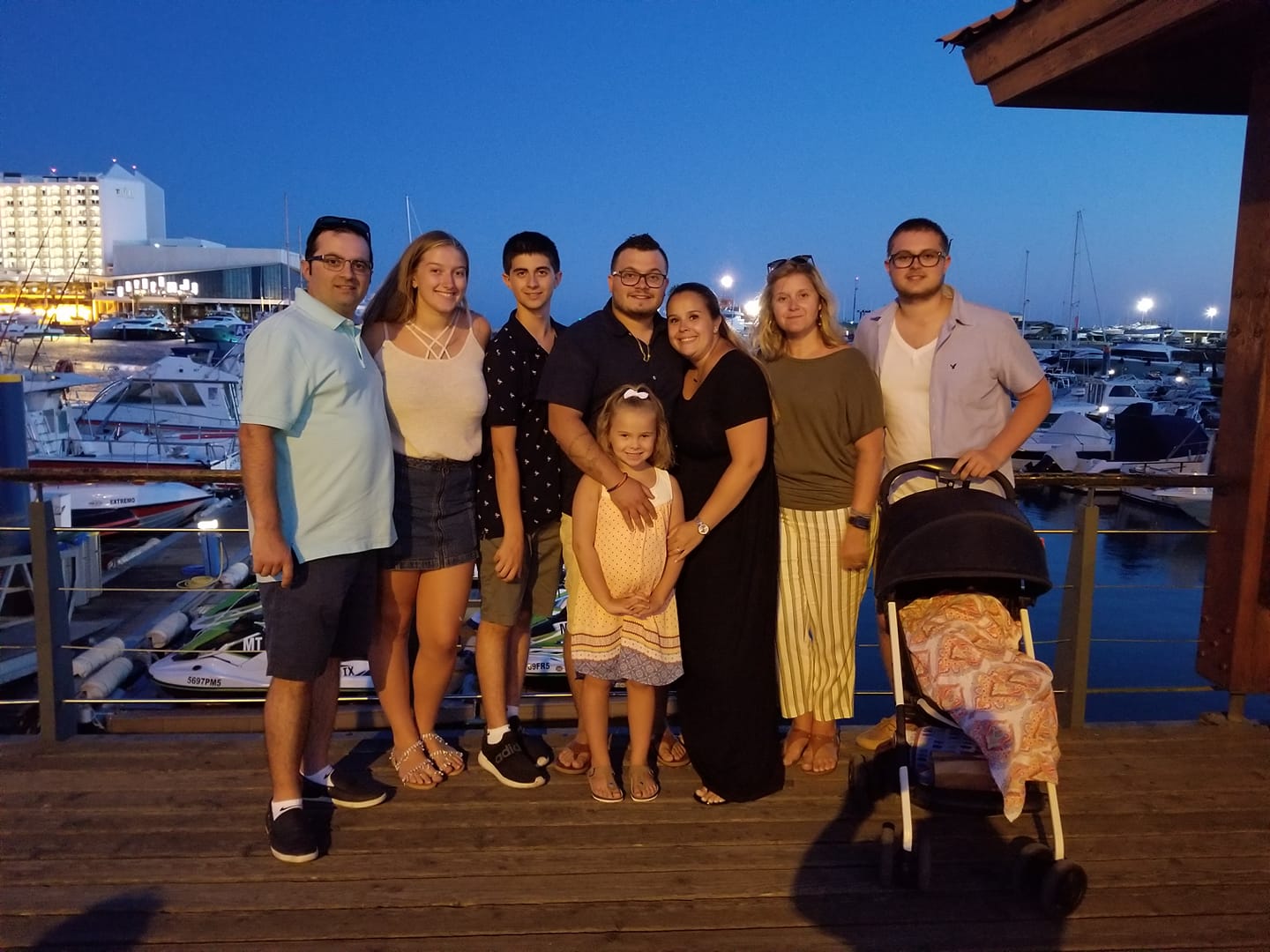
For those of you that do not know, I am currently on vacation in Portugal. The hour change is 5 hours ahead and I am having a tough time adapting, and trying to do the online assignments on-time have been a struggle but don’t worry I’m sure I’ll recover eventually. But as I have been enjoying myself here, I have been very observant and noticed many things that are related to chapters 7 through 9. A few of the things I noticed have to do with others but also with myself.
In chapter 7, “Alcohol and Tobacco”, there were many areas of content that really grasped my attention. The first was the topic of alcohol consumption of college students in the U.S.. I found it very interesting and shocking that 20.4% of women and 23.1% of men in college have never used alcohol. Now this may seem like a low number to researchers and reporters but coming from a college student in today’s society my honest reaction was confused, I expected that number to be lower than what it was. I also found it interesting that more women drink than men. The number is very close but I was still surprised mainly for the fact that I know a few girls that do not drink at all and I think I only know one or two guys who never drink. The chapter mentioned situations that college students tend to drink the most. A few of these “situations” were frats/sororities, traditional celebrations such as St. Paddy’s Day, and pregaming for parties. The information given may be accurate and may try to raise awareness for college students but personally I don’t believe it will be completely effective. The reason for this is because students who live on campus have freedom and can do what they want for the most part, without getting caught. Parents are no longer there to manage and supervise them. I also believe it has to do with the drinking age, this is more political than anything but oh well. I feel that if the U.S. were to lower the drinking age to 18 like other countries have, young adults will have a better understanding of how to control your drinking. Many young adults in the U.S. don’t know how to handle their drinking and lead to many mishaps.
Now for as bad as that may sound, the issue of tobacco products in the U.S. is just as bad, if not worse. About 36 million Americans 18 or older, have used a tobacco product at least once in the past month. The number that threw me for a loop was the age group that smoked the most. My initial reaction was, “those damn teenagers and young adults are a big reason to blame”, but I was wrong. The biggest age group of smokers are between the ages of 25 and 44. When smoking, within time a person will build a dependence of nicotine to perform certain actions and get through the day. And if you don’t have any form of nicotine, if your body or emotions react in a different way you would be experiencing a withdrawal. Once you have reached this much of a dependency, you would probably be clinically considered an addict.
There are many forms of tobacco products the range from cigarettes, cigars, pipes, hookahs, bidis, chewing tobacco, dip, and more. All of these are relatively bad for you, some worse than others. The worst possible form are electronic cigarettes and vapes. Yes you may not be breathing in that tar and actual tobacco substances, but you are inhaling chemicals that you don’t even know about but are there to provide a flavor for enjoyment. Here in Portugal, I have yet to see anyone smoke anything other than a pipe and cigarettes. I don’t know if it is because they are more “old fashioned” but e-cigarettes and vapes aren’t popular here. In the gas stations and little mini side stores, they don’t have any tobacco products other than cigarettes. Which isn’t a good thing, but isn’t a bad thing because ending all sales of cigarettes would have a severe impact on the economy.
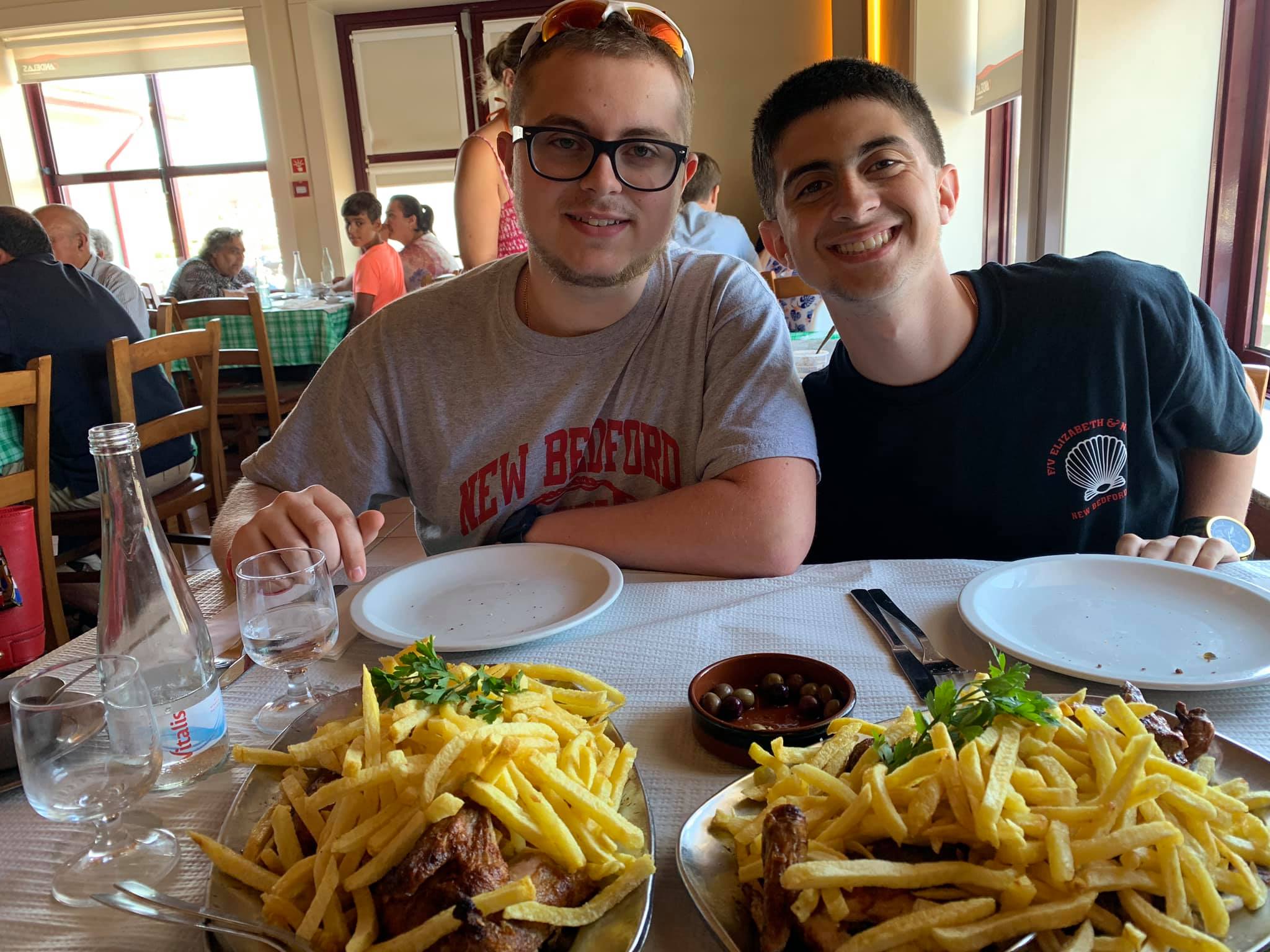
In chapter 8, “Nutrition”, I have realized that my eating habits aren’t the best at home, but during this vacation they are even worse. The meals here are way out of proportion but I absolutely love Portuguese food so it is hard to not eat everything. One thing that I will add is that the food here is fresh and is usually never processed food. So for that, I will give myself a plus.
There are a total of 6 “essential nutrients” that the human body must be consuming which are water, protein, fats, carbohydrates, vitamins, and minerals, all of which play an “essential” role in one’s diet. Water has to be the most important out of the six because the body needs it more frequently to function. Humans can go a few weeks without food in their system but it can’t go longer than a week without water. Water makes up 50-70% of the weight in your body, and is the major component of blood, which carries oxygen and nutrients to tissues while removing metabolic wastes and keeping cells in good condition. If you’ve ever noticed that when you have a headache you are most likely dehydrated? 90% of headaches and migraines are caused by lack of water.
Now proteins are very valuable because they are known to be the “body builders”, as the book likes to call them. Proteins develop and also repair bones, muscles, skin, and blood cells, while also protecting us from diseases caused by chemical activities from inside the body. Proteins are usually known as meats such as chicken, steak, and fish. But you can also get a great source of protein from eggs and nuts. A source of protein that is not a healthy option and can become very dangerous are protein supplements. Majority of supplements haven’t been fully studied and aren’t clinically safe. Lately, there have been reports of young teenagers using supplements to get more muscular but they are not aware of the possible side effects that may occur.
I used to play football and baseball in high school and would always workout because it was required, especially for football. I would only use protein powder, which there is nothing wrong with using that and I still use that to this day. But I remember teammates that would use other supplements such as creatine and others that were supposed to help their muscle mass and enhance endurance and stamina. Well one of the supplements gave them both some sort of infection and had to go to the emergency room for testing and specific antibiotics. Turns out that the supplement wasn’t safe (as said in the chapter) and resulted in the two players missing 2 weeks of football activities.
In chapter 9, “Weight Management and Body Image”, I believe that this a mostly a cultural, environmental, and socio-economical problem. There are a few reasons why I say this. Let’s start off with location. The U.S. has the highest proportion of obesity in the world resulting in 13%. Now countries that have a large population similar to America, such as China and India have a combined percentage of 15. As I mentioned earlier in this post, the food here in Portugal is freshly caught and grown. A very small percentage of the food here is processed or packaged compared to countries like America where that is majority of food. Also, here in Portugal fast food doesn’t really exist. The only fast food that is here is in big cities such as Lisbon or Porto and at the airport. And even that is like 2 or 3 fast food places. But in America, everywhere you go and turn there is a fast food place ranging from dominos, dunking donuts, mcdonalds, subway, and many more. This to me is a location thing but can also be viewed as a cultural thing.
Now as for socioeconomics, the ones who can afford to eat well will and the ones who can’t won’t, it is sad but true. If you are on a very tight budget you might rely on canned goods, processed foods, and fast food to feed yourself and your family. Whereas people with money can afford to go to the store and fill their refrigerator with good, quality food, or go out to a quality restaurant. I’ve seen this on a first hand experience, especially growing up in a city like New Bedford.
But there are ways to help stop obesity and one of them is by mindful eating. A form of mindful eating is counting calories and understanding the balance of energy. The balance of energy is matching the energy intake (anything you consume) with energy expenditure (any form of activity or physical movement). If you decide to eat a meal with about 1,000 calories and decide to lay on the couch and watch TV for the remainder of the day that is not balancing your energy properly which will result in weight gain. Another way to stop or slow down obesity is by improving your eating habits. It is not easy, but with the right mindset and motivation from others it is very possible. And to do this the correct way, you should probably consult with a dietary adviser to find a eating plan that correlates with what you want to accomplish.
I did something similar at the start of 2019. After the holiday season had ended I told myself I wanted to make a change in my life and started eating healthier. I weighed about 230 pounds, which was the most I have ever weighed in my entire life. I ate chicken and fish as protein for my meals, and every side was a salad with a different vegetable. Before vacation I weighed 203 pounds which is almost a 30 pound loss. I am very happy and ecstatic about my progress but I know it is not the same right now. After my vacation, it will be back to healthy habits and the gym for me.
By: Zachary Branco 7-19-19 11:35pm
As a child, I was always taught that no matter what, you should be comfortable talking to your parents or relatives. There was no judging from anyone, only people who cared and wanted to help. If the entire family was comfortable talking with one another there would be noting to hide. Now I know this isn’t always the case for everyone but it should be something that anyone can have.
In chapter 4, “Relationships and Sexuality”, I learned some helpful and interesting content that I didn’t know before. The chapter varies in multiple ways, discussing the male and female anatomy, characteristics of a relationship, strategies and methods for a healthy intimates relationship, as well as what can tear apart a relationship, and how the use of alcohol and/or drugs can lead to unsafe sex, which may lead to further worse actions such as an STD (sexually transmitted disease) or becoming pregnant.
One of the rather more interesting subjects involved sexual identity. The term sexual identity is the recognition of yourself as a sexual being which is determined by how one interacts and reacts with genetics, physiological, environmental, and social factors. A huge factor in knowing your sexual identity is one’s biological sex (if they have a male or female anatomy), gender identity (what do they declare themselves as), gender roles, and sexual orientation. To me this was interesting because of what has been on the news within the past year involving gender identity and sexual orientation. A couple examples is the debate of placing transgender bathrooms in schools and other public places. Personally, I don’t know where I stand with this debate, but I do believe that putting these bathrooms in schools should not be allowed. The reason for this is because at that age, kids don’t know enough about that and shouldn’t be exposed to that kind of a situation at an early age. That is just my input and I am open to hearing ones argument. Another topic that has sparked the news is should the armed services (Army, Navy, Marines, Air Force, and National Guard) allow transgender people serve. My answer to this question is yes, without a doubt. The reason for this is because men and women can fight for their country so why can’t they? If they are part of the USA and want to fight for their country, they should be allowed to.
In chapter 5, “Reproductive Methods”, I found this extremely useful and helpful for multiple reasons. The most important was learning and now knowing which types of “barriers” prevent sexually transmitted diseases and which don’t. Knowing the advantages and disadvantages of each option makes sexual intercourse more safer than before. One of the advantages of a male condom is that if put on properly, the condom is supposed to be 98% effective. Now just because it is 98% effective doesn’t mean it will always be 98% effective due to the fact of putting it on wrong or breaking. But, the chapter shows a diagram on how to properly place a condom on/in both the male and female anatomy.
The chapter mentioned other barriers that could be used such as oral contraceptives such as birth control pills, spermicide, skin patches, vaginal rings, implants, injections, and emergency contraceptives (The Day After Pill). Now every person has a different situation, so knowing which barrier would be most useful and convenient for your sexual activity is very important. For example, a person who is not in a relationship may use a condom for sexual intercourse with a partner. But a couple who is very sexually active may use birth control pills, if they can afford it or if their health insurance company covers them. If a women were to use the skin patch, she would have the responsibility of replacing the patch once a week for the first 3 weeks. The patch is an effective barrier, but there are limitations to the patch. The patch won’t work to its full effectiveness if the women is 35 years old and smokes. Also, the patch isn’t very effective for women who weigh slightly more than 190 pounds. The use of the vaginal ring is very effective, 99.7% to be exact. The only issue with this barrier is that it may cause some discomfort for the women as the ring is lodged inside the female anatomy and can stay there for up to 3 weeks. A major disadvantage of this barrier is the expense and planning that goes into it. In order use this barrier, you must first be examined and prescribed by a doctor or specialist, monthly changes of the ring, and purchasing the ring.
When I was in a relationship, yes we were very sexually active but we did not know about all of these options (which would’ve been nice to know but oh well). The only 2 we knew about were condoms and birth control, which she didn’t want to take because she didn’t want her parents to know that we were sexually active. So it was my responsibility to make sure that I always had a condom around, which I didn’t care but for convenience wise it wasn’t the best. Also, the use of condoms protected from any possible STDs which is nothing to “play” around with..(see what I did there). But if we were to be more open with our parents at the time, we could’ve found a convenient, cost effective, and safe barrier method.
In chapter 6, “Addiction and Drug Abuse”, it taught me that almost anything can become an addiction. While taking the chapter coursework assignment, one of the questions mentioned a women who has a compulsive shopping disorder and the first thing that clicked into my head was “wow that sounds like my mom”. In order to find happiness, enjoyment, and personal satisfaction, this women would purchase numerous clothing items, which she did not need. This women had an addictive behavior, which is a behavior that is done more than necessary to get a sense of excitement or thrill. Other addictive behaviors include, disordered gambling, work addiction, compulsive exercise, compulsive internet/technology use, and sexual addiction.
The term addiction gets thrown around more than it probably should. Addiction is a continued use of a substance or activity despite ongoing negative consequences. Every type of addictions share 4 common symptoms, compulsion, loss of control, negative consequences, and denial. If you notice that a friend or family member could be a possible fit to the symptoms listed above, you would want to become an “enabler”. An enabler, is a person(s) who protect addicts from consequences from their behaviors.
There are many drugs that one can be addicted such as alcohol, caffeine, prescription drugs, over-the-counter drugs, recreational drugs, herbal preparations, illicit drugs, and commercial preparations. There are also controlled substances, which are what most people are using and can be considered the most addictive. These substances include, cocaine, marijuana, opioids, depressants, hallucinogens, inhalants, and steroids. In terms of commonly used, most places you go you can find marijuana, cocaine, opioids such as heroin. These drugs are very addictive and can become very dangerous to your body. In any situation you find yourself or someone you know abusing drugs you want to try to get them to quit. Some ideas to consider are AA meetings, which may form a comfort level with the addict because they are regular people who are in the same situation as the addict. Another idea is detox, which is the process of cleaning out your body and not using any of the drugs. This is a hard method because the addict may experience withdrawals but eventually will help them in the long run.
By Zachary Branco 9:53pm
Everything we do in life has an effect on something or someone else. That is why parents are so critical on their children to do what is right and not to do wrong. There are consequences that come with every action taken or not taken. In chapter 1, “Healthy Change”, there are plenty of examples of actions and choices that reflect positive and negative outcomes. We must first find out what is the conflict (negative) or goal (positive) that is currently at stake and from there you must have a plan on how to prevent (negative) or encourage (positive) these actions. To change one’s behaviors, you must use specific strategies such as visualization, countering, controlling the situation, changing your self-talk, rewarding yourself, and journaling.
Like I said earlier, visualizing the problem or goal is key and will help you piece out your plan to a positive change in behavior. This can be anything from becoming more of an aware driver by not texting and driving or even just eating healthier. The next step after visualizing is countering, which is substituting a desired behavior for an undesirable behavior. To stay on the topic of eating healthier, you could make salad as side of your meal instead of carbs that aren’t so good for you such as pasta, rice, or potatoes. Or even limiting yourself to just water and eliminate sugary drinks such as coffee, soda, and juices. My family and I have recently did this, on the start of 2019, and I am proud to say that I have lost almost 30 pounds by making a small change to my eating habits.
The next step is to “control the situation”, and this basically means being in the right spot at the right time in a way. For example, if you go out to eat with your friends and they decide to get McDonald’s, this is going to negatively impact your eating behavior. On the contrary, if you have a support group or someone who knows that you are trying to change they may tell you to come over for a healthy home-cooked meal. This is a prime example of controlling the situation. The next step, which to me is probably the most important is “self-talk”. By this I mean, how you talk to yourself and how you feel about yourself with the behavior. A person who is having negative thoughts they might say something similar to, “you’re always going to be fat so why does it matter”. Compared to a person who is having positive thoughts, they might say something like, “wow you look great today, let’s keep it going.”
A major way to keep production and results of your behavior change is by rewarding yourself once in a while. We are not robots, we are not perfect, we are bound to make mistakes and slip up every once in a while and that is perfectly ok. You can be rewarded from others or yourself. Your improvement will most likely come from others first and they will reward you but over time you will be able to see the change and will reward yourself. The very last step is tracking information in a journal. The journal is used to write down experiences, results, monitor your progress and you can eventually evaluate what you did down the road.
In chapter 2, “Psychological Health”, I learned many interesting facts that were related to anxiety and mood disorders but the most appealing was the topic of suicide. The reason why I’m choosing to talk about suicide is because it is very strong, and relates to my aspect of health which is social health. Did you know that 9% of students have legitimately considered suicide? Also, did you know that suicide is the 2nd most leading cause of death to people the ages of 15-19 and 20-24? This is a serious concern and I believe there needs to be more of an awareness for it. If you notice that someone has a history of depression, change in personality/behavior, change in sleep/eating habits, and using substance abuse to alcohol or drugs you need to help this person out. There are many ways to help whether it is just being there for them when they need it, giving words of encouragement, making sure they see a councilor, and even informing his or her family members.
I can tell you personally that I have lost a friend to suicide when I was in 7th grade. It was one of the toughest things I’ve ever had to encounter. The mood of the school was very dark and gleam, the hallways were gray and sad instead of the usual upbeat positivity that spread the hall. Nothing was done or said because friends and teachers said that, “he was just like every other kid and nobody suspected anything”. Well clearly they were wrong and something was said or done to make this innocent child commit suicide in middle school. So people should take more precaution and just become more observant and aware.
In chapter 3, “Stress”, I learned that stress can be a real serious problem most of the time. There are two types of stress. Eustress, which is stress related to positive events such as having a baby or planning for a wedding. Then there is distress, which is stress related to negative events such as getting fired from a job or losing a loved one. If one allows stress to remain an active factor of their everyday lifestyle, it can eventually take a toll on your physical health leading to cardiovascular disease, headaches, diabetes, weight loss/gain, hair loss, and other impacts to your body. One of the more serious impacts is sleep loss. Sleep is crucial for conserving body energy, retaining knowledge to the brain, and restoring mental and physical functions.
There are many things that can cause stress and most of it can be external, which can be relationships, new job, car payments, and anything similar to that degree. But there are internal stress, which tends to be more mental than anything. Examples can be anything such as lowered self-esteem, altered personality, and other negative things about yourself. To improve and prevent stress like this is to stay positive, better time management, practice relaxation techniques (even if its just playing piano music), and mindfulness strategies.
Time management is a huge factor in relieving stress, this will help you plan out your day and focus on what is most crucial to complete first. With time management, the word “balance” tends to come into play quite frequently. You want to balance every aspect of life such as work, school, relationships, social life, and “you time”. It is important for you to give yourself time too whether it is taking a nap or doing something you want to do.

Hello, my name is Zachary Branco and I am a Junior here at Bridgewater State University. I am a Communications major while also minoring in Public Relations. I enjoy sports, video games, movies, and traveling with friends and family. I am actually leaving for vacation on July 20th, with my family, to Portugal. I am Portuguese, and am super excited about visiting my family members there. I am a Boston sports fan so talk to me about the Patriots, Celtics, Red Sox and Bruins. During the summer, when I’m not doing school work, I am fishing out at sea. My dad is a commercial fisherman and when I’m home from school, we go out for a week usually, fishing for scallops. My very first trip seemed to be a nightmare, but for some odd reason I still find myself wanting to go back out there. It is extremely hard and requires endless hours of back breaking work but it is worth it in the end. The job is very stressful physically but I found it very mentally stressful and challenging as well. Trying to stay positive and thinking about things that make you happy is a good way for time to pass and help you push forward. The job is very tiring considering that you work 8 hours and then get a 4 hour break to eat and sleep. It is like this nonstop for about a week and sometimes, towards the end of the trip your break is either cut short or you work right through it. Fishing sure is a reality check and reminds me every time that I need to finish school. I’m hoping to learn some interesting and useful material of health while taking this online course. FYI, I am the one wearing the green cut-off hoodie in the picture!!!

After reading chapters 1 through 3, there were many areas that I found highly fascinating and compelling. The most shocking was the statistic of annual deaths caused by chronic diseases to all ages. The most deadliest chronic disease in the U.S. is heart disease, which had over 614,000 deaths. Followed by cancer (591,700), chronic respiratory disease (147,101), unintentional injuries (135,928), and strokes (133,103). Reading these diseases and the number of annual deaths they create scared me because the majority of my family has both cancer and heart disease. It doesn’t mean that I will have these health issues but it is something to look out for.
Another thing that I found interesting was the matter of spiritual health. As a child, I was always taught mental, physical, and emotional health were the aspects of health. But being spiritually healthy is also very important and significant to one’s lifestyle. For instance, when I went through a breakup, I felt little to no purpose of life in this world. I was very depressed and everything became dull. Because this dimension of health was severely fragmented, it also took effect to the other dimensions such as physical, social, and emotional health. I was always sad, and only listened to music that was very emotional. I wanted to be alone and spent little to no time with friends and family. I even stopped eating for a while which really impacted my physical health in a negative way. But today that is no more, I am a very happy person who strongly believes he has a purpose in this world and will eventually impact someone someday.
The last thing that I found very intriguing was the advice and information given to limit stress in chapter 3. Stress is something that can be avoidable but is extremely difficult to do. A few facts that were given to limit stress is to get at least 7-8 hours of sleep a night as well as having good time management. For example, if you have an 8-page paper for a class, you probably shouldn’t wait until the day before it is due to begin the paper. But in some “rare” cases, such as myself, I feel less stressed if and when I do an essay the day before. The reason for this is because I feel more focused and motivated to get my work done. I feel that if I try to space out my time and work on the paper piece by piece each day, I won’t get much done. Something that I have said is, “oh this paper isn’t due for another 3 days, I’ll do this tomorrow”, just to watch the Celtics on TV. Yes, waiting last minute may cause stress for most people but I feel like it is a very risky way to get the most production out of someone.
By: Zachary Branco
Sunday, 7-14-19 (12:31pm)
This is an example post, originally published as part of Blogging University. Enroll in one of our ten programs, and start your blog right.
You’re going to publish a post today. Don’t worry about how your blog looks. Don’t worry if you haven’t given it a name yet, or you’re feeling overwhelmed. Just click the “New Post” button, and tell us why you’re here.
Why do this?
The post can be short or long, a personal intro to your life or a bloggy mission statement, a manifesto for the future or a simple outline of your the types of things you hope to publish.
To help you get started, here are a few questions:
You’re not locked into any of this; one of the wonderful things about blogs is how they constantly evolve as we learn, grow, and interact with one another — but it’s good to know where and why you started, and articulating your goals may just give you a few other post ideas.
Can’t think how to get started? Just write the first thing that pops into your head. Anne Lamott, author of a book on writing we love, says that you need to give yourself permission to write a “crappy first draft”. Anne makes a great point — just start writing, and worry about editing it later.
When you’re ready to publish, give your post three to five tags that describe your blog’s focus — writing, photography, fiction, parenting, food, cars, movies, sports, whatever. These tags will help others who care about your topics find you in the Reader. Make sure one of the tags is “zerotohero,” so other new bloggers can find you, too.

 Zach's Health Blog